
Online and Mobile Retail Franchising in New Zealand
In New Zealand the retail landscape is evolving rapidly. Many business owners are asking whether it’s possible to franchise a retail brand without owning a traditional shopfront. The good news is yes — you can franchise a retail business that operates online, via mobile units, or through pop-ups and market stalls. What matters most is a repeatable system, strong brand identity, and consistent delivery across all units. This article outlines how to franchise a non-store retail model in NZ, the key systems required, and how to prepare your business for growth — all with the expertise of the team at TMPlus | Tereza Murray Franchising guiding you.
What does a non-store retail franchise look like in New Zealand?
A non-store retail franchise means your franchisees operate without a fixed bricks-and-mortar shop. They might sell via an ecommerce site, a mobile van, a market stall or through subscription-based models. The franchisor provides the brand, the systems and training, and franchisees execute the business model accordingly. Even without a physical store your model can be scalable — provided your systems and logistics are structured for replication across different formats.
Can you franchise a retail business in NZ without a shopfront?
Yes. In New Zealand you do not need to have a physical retail outlet in order to franchise your business. The franchise opportunity is built on replicability, support systems, and brand values, not on owning retail premises. The key is showing that franchisees can operate effectively in whatever format you choose — online, mobile or pop-up. With the right documentation, training and logistics in place you can launch a non-store franchised network.
What are the advantages of a non-store retail franchise in NZ?
Franchising without a dedicated retail space offers several benefits in the NZ market:
Lower entry cost: Franchisees avoid fixed retail leases and expensive fit-outs, making the franchise more accessible.
Flexibility and speed: The model can scale faster because there is less need to secure retail locations; you can use online channels or mobile units.
Wider geographic reach: You can tap into regional areas, markets, pop-up opportunities and online sales, which is especially relevant in New Zealand’s dispersed population.
Modern retail fit: Many consumers now prefer online or mobile shopping; a non-store model aligns well with changing habits.
All of these advantages can help you build a network faster and more cost-effectively — but they depend on a robust system behind the scenes.
What are the challenges of this model?
Operating a non-store retail franchise introduces unique challenges. Logistics and fulfilment become critical when you don’t have a fixed shop. Brand consistency across multiple channels and formats must be managed carefully. Without foot-traffic you rely heavily on digital marketing, social media and local presence, which means franchisees must be skilled in those areas. Territory boundaries can become blurred when online sales are involved. All of these elements must be addressed in your systems and training.
What systems and support do you need in place before you franchise in NZ?
Preparing to franchise a non-store business in NZ means developing several key systems:
Operations manual
Document exactly how your business works: customer acquisition, online orders or market stall setup, fulfilment, returns, service support and performance monitoring.
Brand standards
Ensure your brand is consistently presented online, in mobile units, at market stalls or pop-ups — covering logo use, packaging, social media, vehicle signage and local marketing.
Training programme
Develop training that takes franchisees from setup through to trading, including digital tools, local marketing, customer service and product knowledge.
Supply and logistics framework
Define whether stock is held centrally or by franchisees, how dispatch and delivery is handled, how returns are managed and how you scale fulfilment efficiently.
Territory or channel structure
Even without a storefront you must define coverage areas — whether geographic, event-based or channel-based — so each franchisee has a clear opportunity and you avoid overlap.
Financial modelling
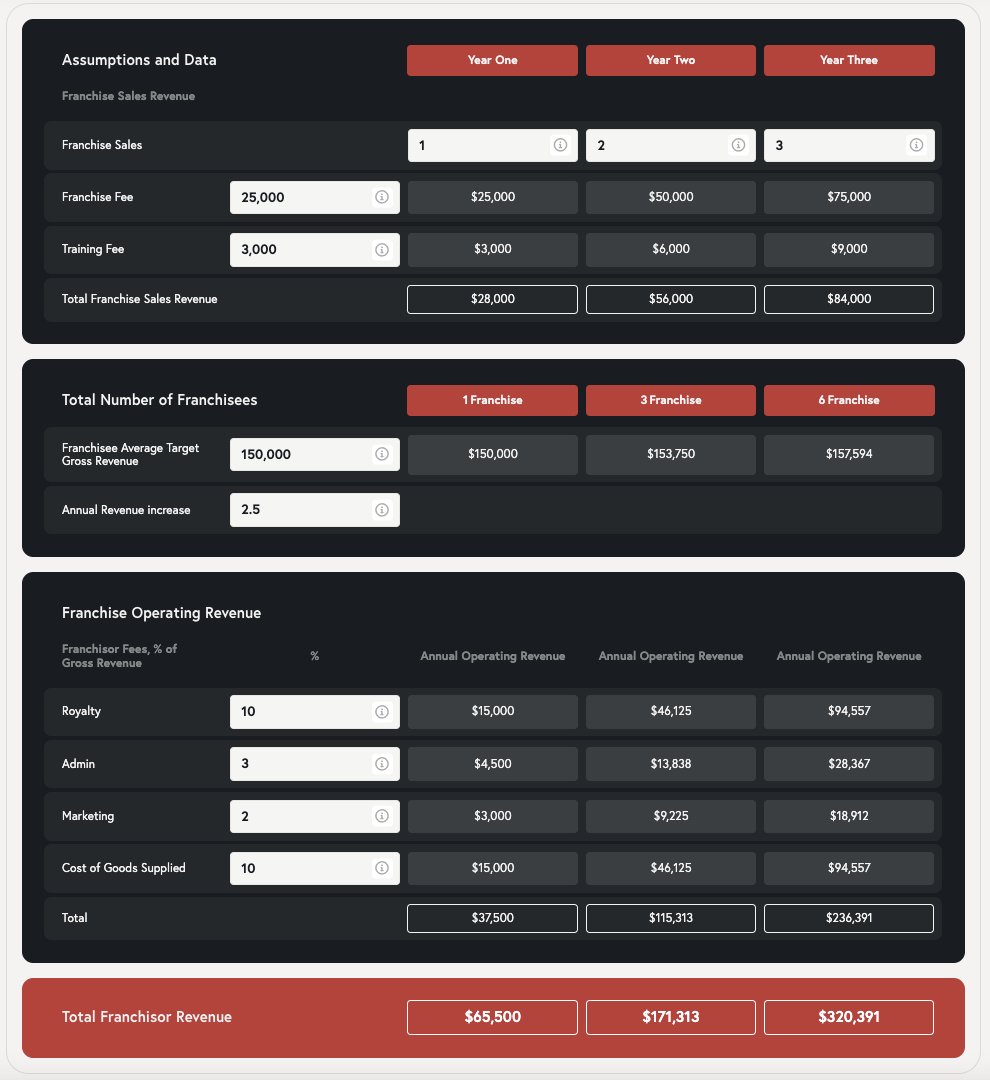
Provide clear unit economics for franchisees: costs, fees, royalty structure, marketing contributions and expected return on investment. Make sure the model works without a fixed retail lease.
Working with TMPlus | Tereza Murray Franchising means you don’t need to have all these systems already completed — we work with you to develop them from scratch and tailor for the New Zealand market.
What legal and compliance considerations apply in New Zealand?
While NZ doesn’t have specific franchise legislation, franchising is governed by general commercial law. Franchisors should ensure they provide full disclosure to prospective franchisees and protect their brand via trade marks. Even for non-store models you must have clear agreements, transparent fees and well-defined obligations.
How do territories and online sales work in a non-store franchise?
In a non-store retail franchise you might allocate areas by postcode or delivery region, or assign franchisees to specific online channels or event circuits. Online orders can be attributed to franchisees using referral codes or customer location tracking. If your franchisees operate market stalls or mobile vans, they may be assigned certain days or events. The aim is to give each franchisee a fair opportunity while keeping the network clean and manageable.
How do you assess whether your business is ready to franchise?
To know whether your non-store retail business is franchise-ready in NZ ask yourself:
Have you proven the model and achieved repeatable results?
Are your systems clearly documented or ready to be developed with guidance?
Do you have the logistics, technology and supply chain capable of being scaled?
Is your brand distinctive and protectable via trade mark?
Can the franchisee model deliver a profitable return without a physical shop?
If you can answer yes to most of these, then you are in a strong position to work with specialists like TMPlus to move into franchising.
How to launch your non-store retail franchise in NZ
Start by running a pilot — whether through an online store or mobile unit — to refine your systems. Map the customer journey from first contact to repeat purchase. Build your operations manual, training materials, and brand standards. Decide how you will fulfil orders or deliver products. Define territories or channel structures. Then build your recruitment materials: explain how the model works, what the franchisee role is, expected costs and returns, support structure and your growth plan. After launch, monitor performance, support your franchisees with marketing and training, and ensure system compliance.
Supporting franchisees after launch
Once franchisees are live you should provide ongoing support including regular training, performance dashboards and coaching. For non-store models your support should emphasise digital marketing, logistics and customer service consistency. Provide local-marketing templates and national campaign coordination. A robust support framework helps maintain brand consistency and long-term network quality.
Conclusion
Franchising a retail business without a physical store is entirely feasible in New Zealand when the model is built around systems, brand standards, and ongoing support. A non-store retail franchise can offer lower overheads, greater flexibility and faster expansion — provided the underlying systems are strong and executed well. At TMPlus | Tereza Murray Franchising we work with business owners to develop and document every part of the model — you do not need to have everything in place before you start. Find out how we partner with you at www.tmplus.co.nz.
.svg)