

How Fast Should You Scale a Franchise Network in New Zealand?
If you’re thinking about franchising your business, it’s natural to ask how quickly you should grow your network. The short answer is this, faster is not always better. The right pace depends on your ability to support franchisees, maintain consistency, and ensure your business model works in different locations.
For small business owners in New Zealand, sustainable growth is far more important than rapid expansion. Scaling too quickly without the right foundations can lead to operational challenges, inconsistent results, and unnecessary pressure on both you and your franchisees.
Why Growth Speed Matters in Franchising
The speed at which you grow your franchise network has a direct impact on your long-term success. While it can be tempting to expand quickly, especially when there is interest from potential franchisees, growth needs to be supported by structure and capability.
If growth happens too quickly, common issues can include:
- Inconsistent service delivery across locations
- Reduced support for new franchisees
- Difficulty maintaining brand standards
- Increased pressure on the business owner
On the other hand, growing too slowly can limit your ability to build momentum and secure your position in the market. The goal is to grow at a pace where quality is maintained and each new location strengthens your overall network.
How Fast Should You Scale a Franchise Network?
In simple terms, you should scale your franchise network at a pace you can confidently support.
This means ensuring that every new franchisee receives the same level of training, guidance, and support as your first. It also means having enough time to refine your systems as you expand.
For most small businesses in New Zealand, this involves:
- Starting with a small number of franchisees
- Testing your model in different locations
- Refining your processes based on real-world experience
- Gradually increasing your growth rate
This staged approach reduces risk and builds a stronger foundation for long-term expansion.
Should You Focus on Growth or Stability First?
The short answer is stability should always come first.
Before scaling your franchise network, your business model needs to be proven and repeatable. If your processes are inconsistent or still evolving, rapid growth will only amplify those issues.
Focusing on stability allows you to:
- Identify gaps in your systems
- Improve training and onboarding processes
- Ensure consistent customer outcomes
- Build confidence in your model
Once your foundation is strong, growth becomes more manageable and far less risky.
How Many Franchisees Should You Start With?
There is no fixed number, but starting small is usually the most effective approach.
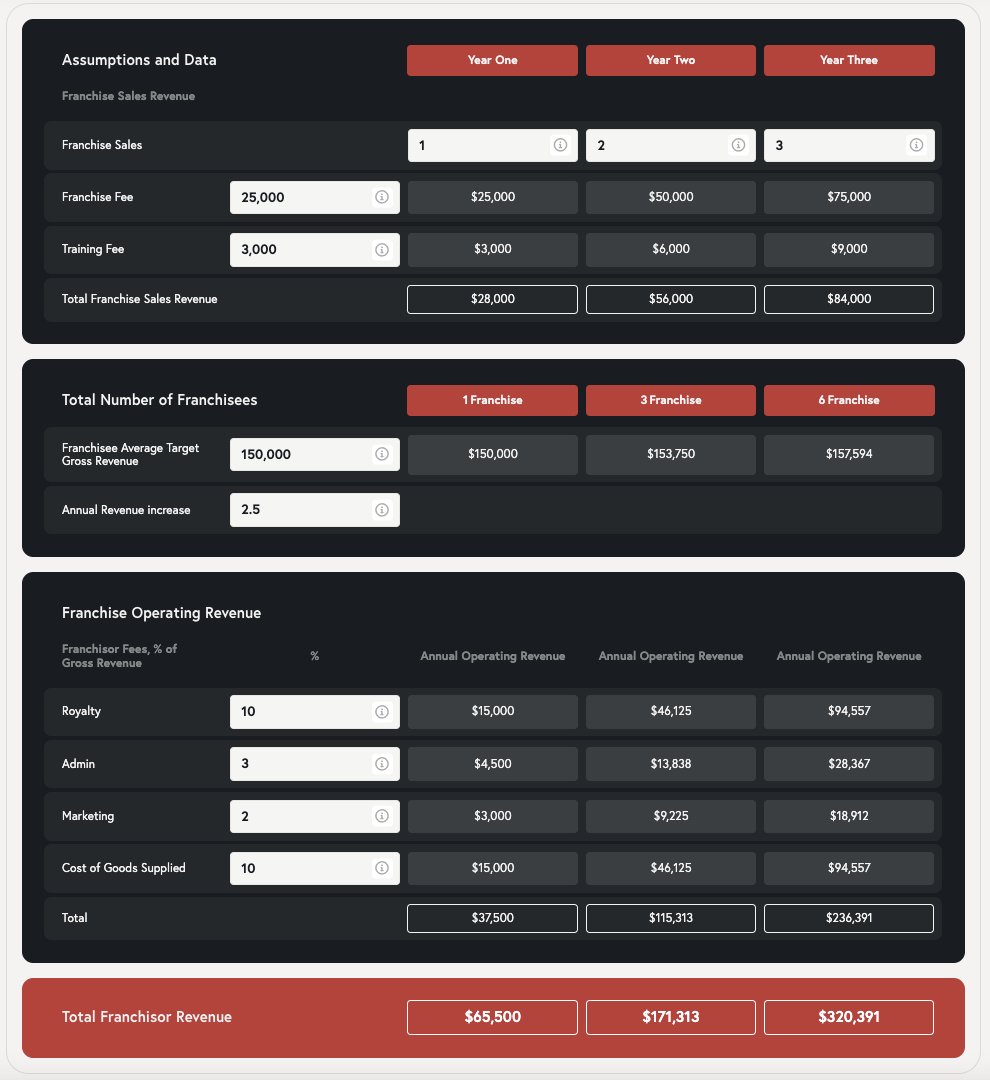
For many New Zealand businesses, beginning with one to three franchisees allows you to:
- Provide hands-on support during the early stages
- Understand how others operate your business
- Identify areas that need improvement
- Refine your onboarding and training processes
This early stage is one of the most important parts of franchising. It gives you real insight into how your business performs outside your direct control.
What Happens If You Scale Too Quickly?
Scaling too quickly is one of the most common mistakes new franchisors make.
The short answer is, it can create operational strain and reduce overall performance.
Some of the key risks include:
- Franchisees not receiving enough support
- Inconsistent customer experiences
- Difficulty maintaining quality standards
- Increased workload and pressure on the franchisor
For small business owners, this can quickly become overwhelming and may impact the long-term success of the franchise network.
What Are the Signs You’re Ready to Scale Faster?
Once your initial franchise locations are performing well, you may be ready to increase your growth rate.
Some key indicators include:
- Franchisees are operating independently and successfully
- Your systems are producing consistent results
- Training and onboarding processes are effective
- You feel confident supporting multiple locations
At this stage, growth becomes more predictable and less risky because your model has already been tested.
How Do You Balance Growth and Support?
Balancing growth and support is essential for building a successful franchise network.
In simple terms, every new franchisee should receive the same level of support, regardless of when they join.
This means:
- Having clear and structured onboarding processes
- Maintaining regular communication
- Providing ongoing guidance and support
- Continuously improving your systems
For small franchise networks, this often involves keeping things simple and focusing on practical support rather than complex systems.
Is It Better to Grow Locally First?
The short answer is yes, especially in the early stages.
Growing locally allows you to:
- Stay close to your franchisees
- Provide more hands-on support
- Maintain better control over operations
- Build brand recognition in your area
For New Zealand businesses, local growth is often the most practical and effective starting point before expanding into wider regions.
How Long Does It Take to Build a Franchise Network?
There is no set timeline for building a franchise network.
Some businesses grow steadily over several years, while others expand more quickly once their systems are established.
What matters most is not how fast you grow, but how well your network performs as it expands. A smaller, well-supported network is often far more successful than a large network with inconsistent results.
What Is the Best Growth Strategy for Small Franchise Systems?
For small business owners, the most effective strategy is controlled, staged growth.
This involves:
- Starting with a small number of franchisees
- Refining your systems through real-world experience
- Expanding gradually as your confidence grows
- Maintaining a strong focus on support and consistency
This approach reduces risk, builds stronger franchise relationships, and creates a more sustainable business model.
Final Thoughts
There is no single answer to how fast you should scale a franchise network, but the most successful businesses focus on stability before speed.
If your business model works, your franchisees are supported, and your systems deliver consistent results, growth will follow naturally.
TMPlus | Tereza Murray Franchising works with small business owners across New Zealand to develop scalable franchise models and guide sustainable growth strategies that balance expansion with long-term success. Learn more at www.tmplus.co.nz
.svg)