

How Are Franchise Royalties and Marketing Fees Typically Structured in New Zealand?
When New Zealand business owners begin exploring franchising as a growth pathway, one of the first areas they want clarity on is how royalties and marketing fees work. These fees play a key role in supporting the network, funding system improvements, building brand strength and ensuring franchisees have access to the tools they need to succeed. When structured well, they help create a sustainable and profitable franchise system for both parties.
This article explains how royalties and marketing levies are commonly structured in New Zealand, why they matter, and the considerations that help business owners design a fair and scalable model.
What Are Franchise Royalties and Marketing Fees?
Royalty and marketing fees are ongoing payments franchisees make to access the franchisor’s brand, systems, training and ongoing support. Although the exact structure varies across industries, their purpose is to ensure the network has the financial foundation required to operate at a high standard.
What is a royalty fee?
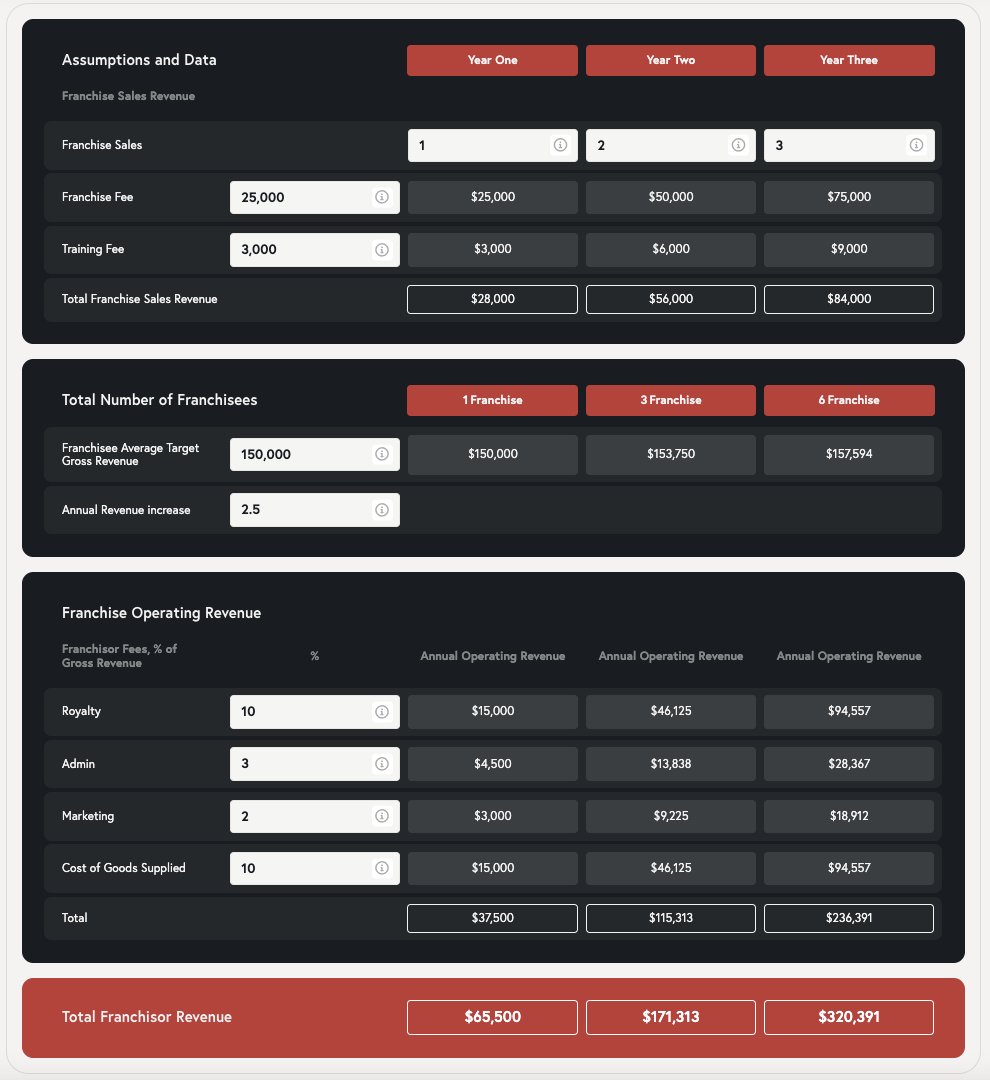
A royalty fee is the primary ongoing payment made by franchisees. It is usually calculated as a percentage of gross sales or as a fixed amount paid on a regular schedule. This fee supports operational guidance, system improvements, brand protection, training, innovation, and general ongoing support that helps franchisees operate profitably.
What is a marketing fee?
A marketing fee, or marketing levy, supports brand-wide advertising and promotional activity. Franchisees contribute to a shared marketing fund, which is used for digital advertising, brand-building campaigns, national promotions and strategic marketing work. These fees allow the network to achieve greater reach than any single operator could generate alone.
Marketing fees are charged separately from royalty fees, although both contribute to overall brand strength.
How Are Royalty Fees Calculated in New Zealand?
Royalty models differ across franchise systems, and the right structure depends on the business model, the support provided and the growth strategy.
Common royalty structures
Royalty fees in New Zealand are typically structured using one of the following methods:
A fixed weekly or monthly fee that remains consistent
A percentage of turnover, which scales with performance
A tiered or sliding percentage based on revenue levels
A fee applied per transaction or service in service-based industries
Each method has benefits. Percentage-based royalties are flexible and adjust naturally during slower periods, while fixed fees offer predictability for both franchisor and franchisee.
Typical royalty percentages
While there is no strict national standard, many New Zealand franchise systems operate within a similar range to other established franchise markets. Service-based models often sit in the mid to higher range, while food and retail fall on the lower end of the spectrum. The right rate depends on support levels, operational costs, brand strength and expected franchisee profitability.
Why royalty structure matters
The way royalties are structured affects franchisee cash flow, return on investment and the ability to scale. For franchisors, royalties provide the financial base required to deliver support, improve systems and protect the brand. In a well-balanced model, both parties benefit fairly, and the network grows more sustainably.
How Are Marketing Fees Structured in New Zealand?
Marketing levies exist to build brand awareness, generate demand, and support visibility across the franchise network.
Common marketing fee structures
Marketing fees are usually calculated using:
A fixed recurring amount
A percentage of turnover
A blended model that includes both
These contributions are pooled into a central marketing fund managed by the franchisor.
What marketing fees are used for
Marketing levies typically fund:
National and regional brand campaigns
Digital advertising and search visibility
Social media content and strategy
Website maintenance and upgrades
Creative development, design and promotional materials
Market research and brand strategy
The goal is to build reach and visibility, which in turn benefits all franchisees.
What franchisees should understand
Before joining a franchise system, franchisees should understand how the fund is managed, what activities it covers, and whether there are any additional local area marketing obligations. Transparency helps ensure franchisees feel confident that their contributions support meaningful brand growth.
What Makes a Good Franchise Fee Structure?
A well-designed royalty and marketing fee structure creates clarity, fairness and long-term viability.
Balancing value and affordability
The franchisor must charge enough to deliver strong support and invest in brand development, while still ensuring franchisees retain healthy margins. A strong model considers:
The franchisor’s ongoing support costs
Franchisee profitability at different revenue levels
The maturity of the brand and system
Growth plans for the network
Whether introductory or staged fee levels are appropriate
A balanced approach strengthens both the franchisee experience and the franchisor’s ability to deliver value.
How fees evolve as the system grows
As a franchise network becomes more established, the support offering often expands. New systems, improved training, enhanced marketing resources or technology upgrades may be introduced. Some franchisors also adjust fee structures over time to reflect these developments or to support new franchisees during early establishment periods.
Why Fee Structure Matters in the New Zealand Market
A well-planned fee structure shapes the overall health of a franchise system.
A strong structure supports:
Stable cash flow for franchisees, especially in the early growth period
Predictable revenue for the franchisor, which supports system development
Network-wide brand strength, funded through consistent marketing investment
Alignment of interests, especially when growth is tied to performance
Long-term franchise recruitment success, as transparent fee models attract stronger candidates
When royalty and marketing fees are fair, transparent and clearly communicated, both parties are positioned to succeed.
Conclusion
Royalty and marketing fees are fundamental building blocks of a strong franchise system. They fund the support, innovation, brand development and operational structure that allow franchisees to thrive. When these fees are designed thoughtfully, they create fairness, clarity and long-term network growth.
If you are preparing to franchise your business in New Zealand and want to build a clear, sustainable and effective fee model, TMPlus | Tereza Murray Franchising can support you with the full development process, including designing your franchise structure and documenting the systems you need to operate with confidence.
.svg)