

Strengthen Your Supply Chain Before Franchising
When you’re gearing up to franchise your business, it’s easy to focus on brand, systems, and training. But before rolling out the red carpet for new franchise outlets, there’s one area that can quietly derail your plans if it’s not sorted, your supply chain.
What works well for a single location might start to falter when you try to replicate it across a network. That’s why ironing out supply chain challenges early is essential. Sorting it out now prevents costly disruptions later and gives your future franchise model a stronger, more scalable base.
Whether it’s supplier capacity, delivery reliability, or internal processes, preparing your supply chain doesn’t mean achieving perfection. It just means creating practical, consistent systems that support growth and build confidence, for you and your future franchisees.
Identify Current Supply Chain Issues
Many business owners assume their supply chain is “good enough” because it hasn’t broken yet. But franchising introduces new layers of complexity. What’s manageable in a single site may quickly turn into a bottleneck when multiplied.
Start by mapping out the current supply journey:
- Who are your suppliers, and how dependable are they?
- Are delivery times consistent and predictable?
- Do you experience overstocking or shortages?
- How does your team place orders and track inventory?
- Are there manual workarounds that hide underlying problems?
Even small inefficiencies, like unreliable invoicing or slow restocks, can escalate quickly with multiple franchise locations.
Walk through a few recent transactions or deliveries to spot trends. Has your team had to chase late orders? Are staff creating their own fixes for flawed processes? These are the friction points you want to address now, not once you’ve handed off operations to franchisees.
Document what’s currently in place, including supplier contact details, order routines, delivery expectations, and any known risks. This helps you build a clear system future franchisees can follow with fewer surprises.
Simplify and Streamline Processes
Franchise networks run best on repeatable, consistent systems. If every store has to figure things out differently, quality and efficiency will suffer. Your supply chain process should be straightforward enough for someone new to follow it from day one.
Focus on these areas:
- Ordering: Standardise how and when orders are placed. Use simple forms or cloud-based platforms where possible.
- Inventory: Define reorder points, set stock limits, and create easy tracking methods.
- Scheduling: Plan regular delivery days to reduce uncertainty and avoid emergency restocks.
- Packaging and Shipping: Review suppliers’ delivery practices, are they practical for multi-site operations?
Technology doesn’t have to be complex or expensive. Tools like Google Sheets, shared order templates, or inventory apps can streamline operations and avoid delays. One client we worked with went from sending weekly email orders to using a shared order form with automatic tracking, cutting down on missed items and staff confusion almost immediately.
The more streamlined your process, the easier it is for others to copy and maintain. That means fewer headaches and more consistent service across your future network.
Build Strong Supplier Relationships
Franchising puts added pressure on your supply partners. You’ll need consistency in product quality, delivery timing, and availability, especially as you grow.
Start by reviewing your current supplier relationships. Are they communicative? Can they handle increased volume? Do they understand your plans for expansion?
Bring them into the loop. Share your growth vision and gauge whether they’re equipped to scale with you. Some may offer improved pricing or better service terms once they understand the opportunity. Others may struggle to meet demand and need to be phased out or supplemented with backup suppliers.
Where possible, create more formal agreements outlining expectations for delivery schedules, communication, and quality standards. That way, you’re not starting from scratch each time a new franchise location opens.
Having strong supplier relationships gives you confidence and creates reliability for your franchisees. It also positions you to negotiate better terms as your purchasing power grows.
Clarify Supply Chain Costs
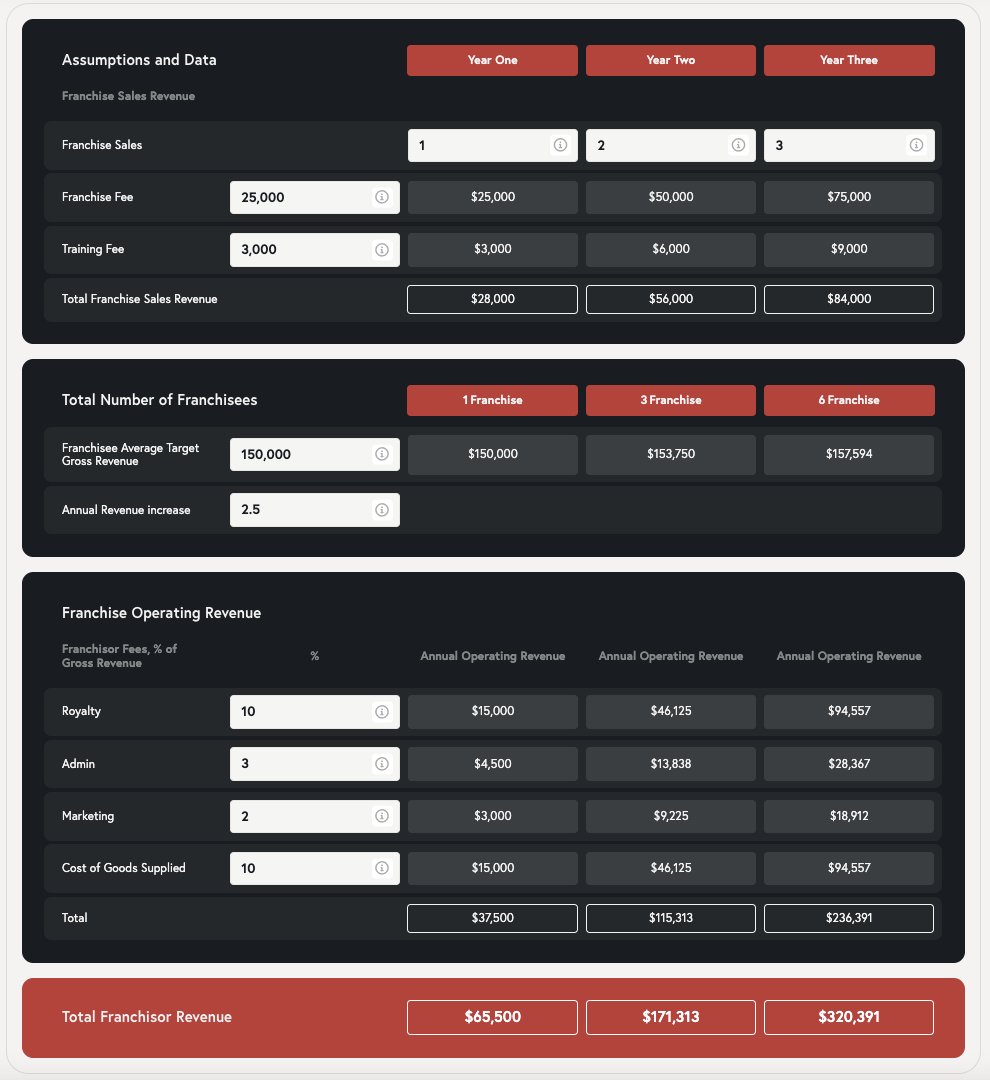
A stable supply chain is only valuable if it’s financially sustainable. Inconsistent or poorly calculated supply costs can eat into franchisee margins and damage the credibility of your business model.
Review every cost tied to your supply chain:
- Delivery fees by region
- Storage or warehousing needs
- Order handling and admin
- Price variability (especially with imported goods)
Your pricing model must reflect these costs clearly. If franchisees are surprised by supply costs, it undermines trust. Build your pricing structures around solid data, not rough estimates.
This is where working with an accountant or franchise consultant becomes especially helpful. They can assess your supply expenses, guide you through realistic modelling, and help you avoid future cashflow problems.
The more clarity you have around supply costs, the more confidence you’ll have in your franchise model, and the easier it will be to scale responsibly.
Prepare Your Team to Manage Supply Chain Functions
A well-documented supply system is only useful if your people understand how to manage it. Even if you’re still operating from one site, now’s the time to upskill your team and delegate some of the supply chain tasks.
Ask yourself:
- Who currently manages orders and deliveries?
- Could someone step in if that person left tomorrow?
- Do processes exist in writing, or only in someone’s head?
Train your team to follow set procedures, identify problems early, and offer feedback on system improvements. Encourage knowledge-sharing across roles to reduce bottlenecks or dependence on one person.
When you expand, having a team that understands the supply side, and can help train others, is a massive asset. That operational consistency is one of the hallmarks of a successful franchise.
Strong Supply Chains Enable Smooth Expansion
A shaky supply chain can be the undoing of a great franchise model. But when you take time to plan, streamline, and strengthen supplier partnerships, you set yourself, and your future franchisees, up for long-term success.
Fixing these areas now makes growth feel manageable, not overwhelming. Instead of troubleshooting problems on the fly, you’ll be leading from a place of preparation, with systems designed to support rather than strain.
If your supply chain runs smoothly, your franchisees will notice, and your customers will feel the difference too.
Streamlining your supply chain is just one part of preparing for successful franchising. To truly grasp the financial landscape, consider working with a financial advisor and business coach. They can help clarify costings, investments, and provide strategic insight, ensuring your venture is on solid ground. For more guidance on this and further franchising preparation, explore our resources at Tereza Murray Franchising New Zealand.
.svg)