

Solve Cash Flow Woes Before Franchising
Cash flow is one of those things you don’t think about much, until it starts keeping you up at night. For New Zealand small business owners preparing to franchise, getting this part right can make or break your expansion. If you’ve got big goals but find yourself holding off on decisions because of late invoices or a tight payroll cycle, it might be time to put cash flow front and centre.
The good news? Fixing cash flow doesn’t need to be complicated. With clear visibility and a few targeted changes, you can create the kind of financial stability that gives you confidence to scale. And when you’re planning a franchise model, that steady base becomes even more important, not just for your sake, but for the future franchisees stepping into your brand.
Understanding Cash Flow in Your Business
Cash flow is simply about timing. Money comes in, money goes out, and when those things don’t line up, problems start. In most cases, it’s not about having a bad business. It’s about inconsistent income, unexpected expenses, or clunky systems that hide the real picture.
Common cash flow pain points include:
- Late payments from clients
- Seasonal income dips that weren’t planned for
- High upfront costs (stock, wages, equipment)
- Missed or irregular invoicing cycles
- Undercharging or not increasing prices regularly
Any one of these issues can creep up gradually. And when you’re juggling day-to-day demands, they’re easy to overlook. But if you're thinking about franchising, these cracks need to be addressed early. Passing financial strain onto a franchisee, or trying to grow while constantly catching up, only compounds the stress.
Sorting your cash flow means you’ll know where you stand, where you need to adjust, and what kind of franchise model your business can actually support.
Identifying Cash Flow Problems
You don’t need to be an accountant to spot cash flow problems; you just need to be honest about what’s really happening. A few signs that cash flow might be holding your business back:
- You’re regularly dipping into personal savings to cover business costs
- You avoid checking your bank balance near payday
- Supplier bills, PAYE or GST are getting pushed out
- You’ve delayed taking on new work because you can’t fund the upfront
- You’re saying no to opportunities for fear of cash shortages
Sometimes, these things feel normal, especially in seasonal businesses. But they don’t have to be. Creating visibility around your financial patterns is the first step. You can start simply:
- Track weekly inflows and outflows
- List your recurring costs (and when they fall)
- Watch your slow months and your peak periods
- Review how long it takes customers to pay you
Even a basic spreadsheet can highlight trends you’ve become blind to. Cloud accounting platforms like Xero or MYOB can help too, but what matters most is making reviewing your numbers a habit. Once you know what’s happening in real time, you can start shifting from reactive to proactive.
Strategies to Improve Cash Flow
Fixing cash flow often comes down to a few simple disciplines, done consistently. You don’t need fancy tools or big changes, just smart, deliberate habits.
Start with:
- Send invoices immediately: As soon as the job is done. Not at the end of the month.
- Shorten payment terms: If you're on 20th of the following month, can you shift to 7-day or fortnightly terms?
- Follow up late payments: Don’t delay chasing money owed, it’s your cash flow, not just admin.
- Check your pricing: Are you charging enough to cover your costs and still build a margin?
- Separate business and personal: Blurred lines here make things messy fast.
- Review subscriptions and tools: Are you still using everything you’re paying for?
From there, start planning ahead. Forecasting is simply using past data to predict future trends. Look at your last 6–12 months, identify where it got tight and why. Add buffer zones for insurance, tax bills, or unexpected slow periods.
Need more flexibility? Try:
- Renegotiating supplier payment terms
- Offering incentives for early client payments
- Switching payroll dates to align with income patterns
One change many Kiwi business owners find effective is tweaking invoice timing. If you usually wait until Friday to batch them, try switching to same-day invoicing instead. It brings income forward and tightens your payment cycles without changing a single customer.
These aren't flashy fixes. But they work. And when applied consistently, they turn a shaky financial foundation into one you can build on.
Getting Professional Help
If you’ve been in business a while, you’ve likely adjusted to some cash flow problems without even realising it. That’s why working with a business growth advisor can make such a difference.
A fresh set of eyes can:
- Spot inefficient systems or hidden costs
- Help you price more strategically
- Show you how to forecast without overcomplicating things
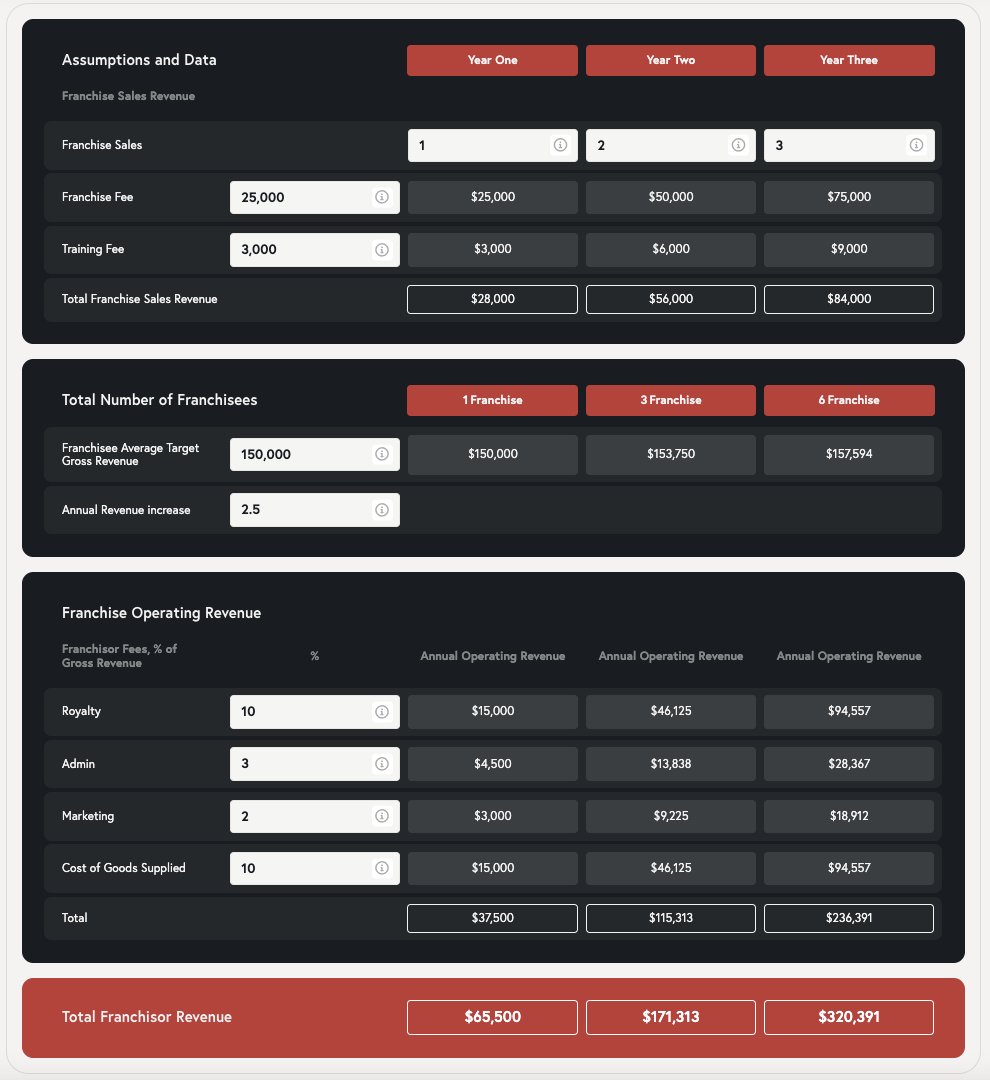
- Build realistic financial models that align with your growth plans
And when franchising is on the horizon, this becomes even more important. Any quirks or shortfalls in your current system may not impact you heavily right now, but they could become deal-breakers for future franchisees.
At TMPlus, we work with businesses across New Zealand to identify these risks early. Often, it’s not about major restructuring, it’s about small, high-impact changes. One client simply changed how they managed deposits and follow-ups. It smoothed their month-end cash and gave them more confidence to explore franchising.
An advisor with both cash flow and franchising experience can help shape your entire financial model, one that not only works today, but is set up to scale.
Preparing for a Smooth Transition into Franchising
Once your financial foundation is steady, the shift into franchising starts to feel far more manageable. You’ll understand what costs to expect, where the gaps are, and how to set up a system that doesn’t pass stress onto your future franchisees.
Here’s what to start lining up:
- Model your future franchise finances: What upfront costs will you cover? What ongoing support do you need to fund?
- Build a reserve: A financial buffer gives you flexibility when setup or recruitment takes longer than expected.
- Understand one-off costs: Legal fees, operations manuals, brand updates, all need planning.
- Stick with your good cash habits: The habits that helped you fix cash flow now are the ones that will support your network later.
- Keep monthly financial reviews in place: As you scale, this will help you respond quickly to emerging issues.
Franchising should never feel like a financial gamble. The more predictable your systems are now, the smoother the expansion journey becomes. You’re not just building a model that works for you, you’re creating a structure others will invest in.
Keep the Foundation Strong as You Grow
Cash flow isn’t just a financial metric, it’s a stress reliever, a decision-making tool, and the confidence booster that allows you to grow with intention. When your numbers make sense, everything else gets easier.
Preparing for franchising without fixing cash flow is like building a house on sand. You need something firm underneath if it’s going to last.
By creating reliable, repeatable systems, you make smarter calls, on hiring, expansion, and investment. You create clarity for yourself and a blueprint for others to follow.
If your cash flow could use a check-in, now’s the time. It doesn’t need to be hard, but it does need to happen before you franchise. And you don’t have to do it alone.
At TMPlus, we work with New Zealand business owners every day to build sustainable, growth-ready financial systems that underpin future franchise success. If you're looking for advice that’s clear, grounded and easy to act on, we’re here to help.
.svg)